Home About Us Founder Story Programs Workshops Art & Music Therapy Partnership Blog Get Certified FAQs Get Help Member Login
Creative Therapy

Music Therapy

A board-certified music therapist uses music — listening, singing, playing, sometimes writing it — toward real, personal goals: easing anxiety, lifting mood, calming agitation, and reopening a door to someone who has grown hard to reach.

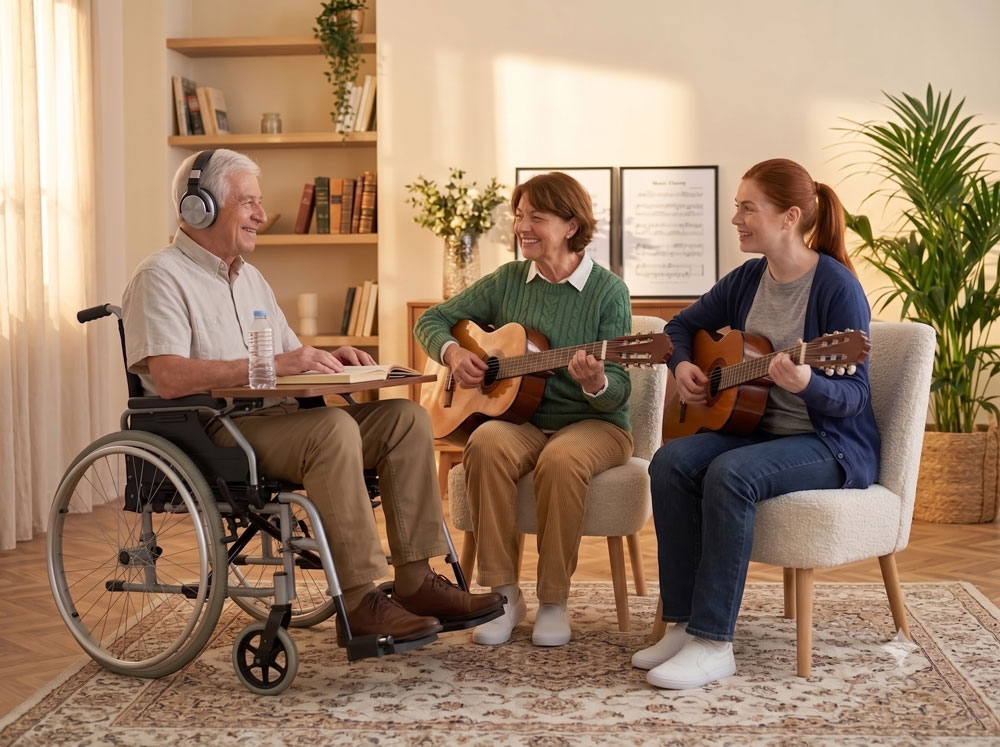
Music Therapy with a senior adult
Why music therapy works

Why it works when other things don't

Musical memory is remarkably durable. People who have lost names, faces, and the thread of a conversation will often still have a song — all the way through, in the right key. For the length of a chorus, families get the person back.

What a music therapy session looks like

What a session looks like

Thirty to forty-five minutes, one-to-one or in a small group. Built around the person's own history — the songs from when they were young, the music that meant something.

Who music therapy helps most

Who it helps most

Senior adults living with dementia and Alzheimer's; anyone dealing with anxiety, agitation, depression, or isolation; and families walking through the end of life.

Where Sessions Happen

We come to the person — wherever they are most at ease.

In the home

In the home

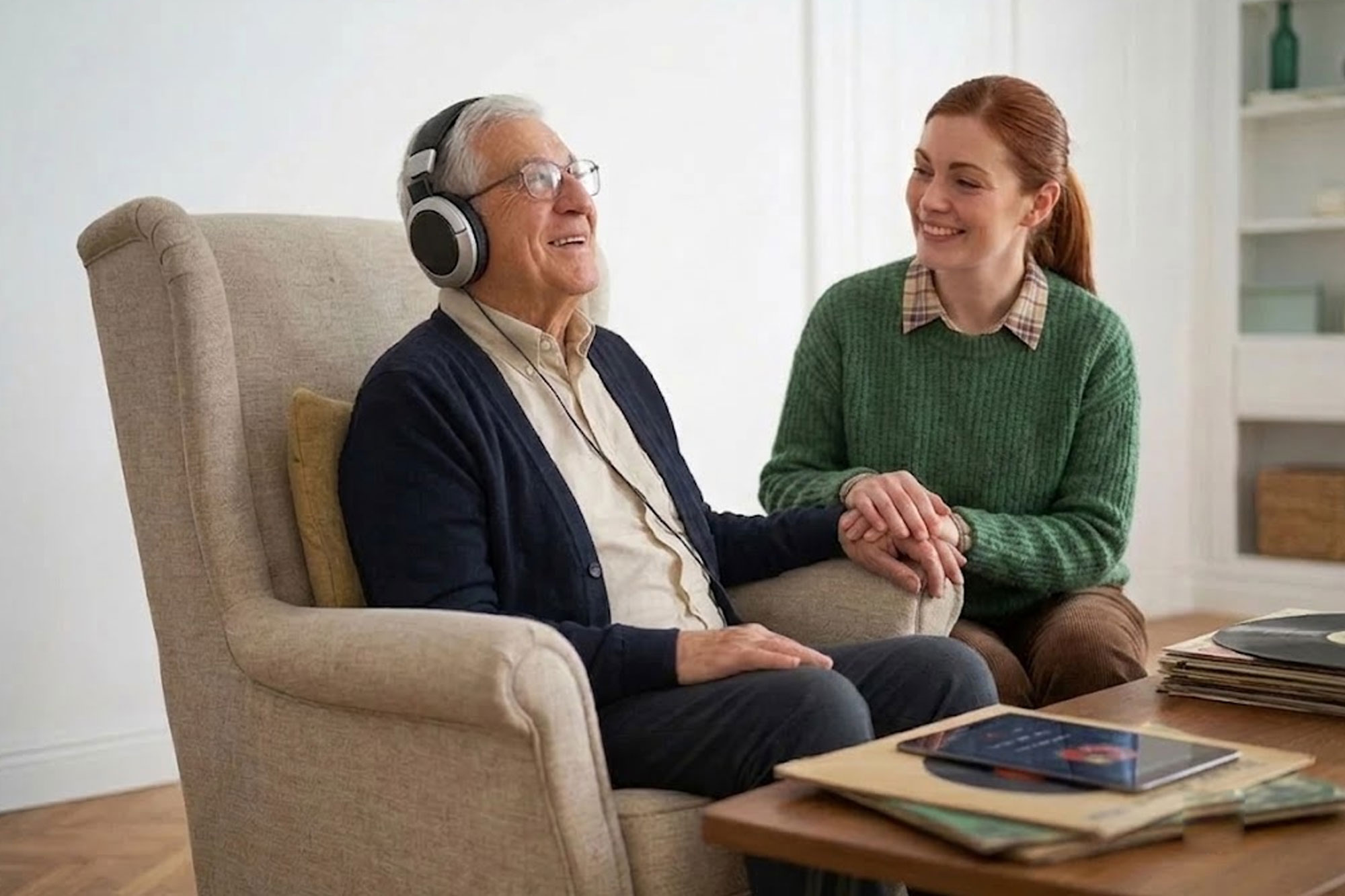
Their own living room, their own chair — the setting they know best.

Senior living

Senior living

Independent living, assisted living, and memory care communities.

Hospice and end of life

Hospice & end of life

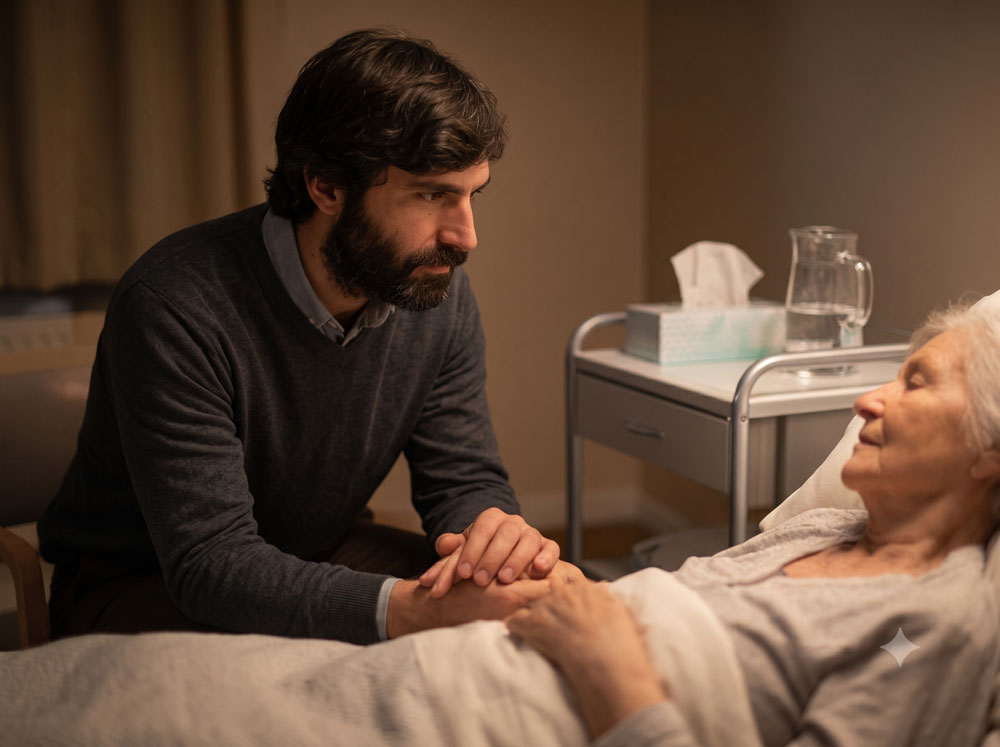
Presence and comfort in the room, for the person and the family.

Small groups

Small groups

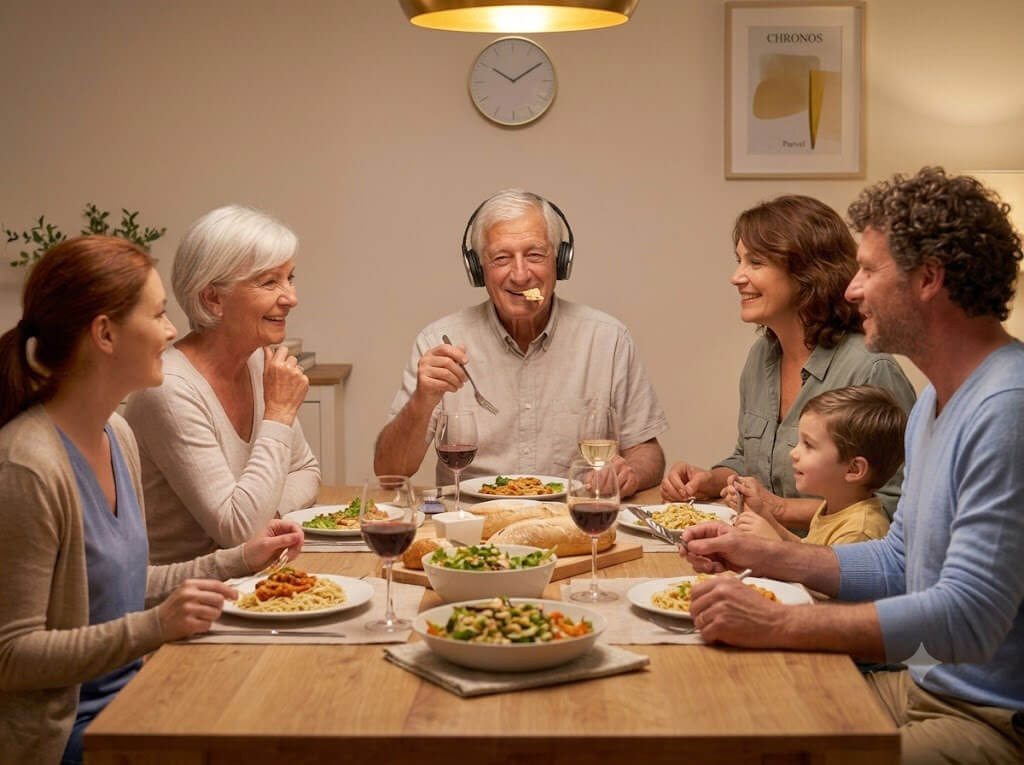
Resident cohorts or an intimate family session.

Why It Matters

What the credential means

There is a real difference between a board-certified music therapist and a well-meaning volunteer with a guitar — and it is worth understanding before you pay for either.

Music Therapist – Board Certified (MT-BC) is an earned credential: graduate-level training in music therapy, supervised clinical hours, a national board examination, and ongoing continuing education. These therapists are trained clinicians working toward specific goals for specific people.

A volunteer can brighten an afternoon, and there is nothing wrong with that. But it is not the same as a trained clinician assessing the person, setting goals, and measuring outcomes. Every therapist we send holds the MT-BC credential.

Board-certified music therapist at work